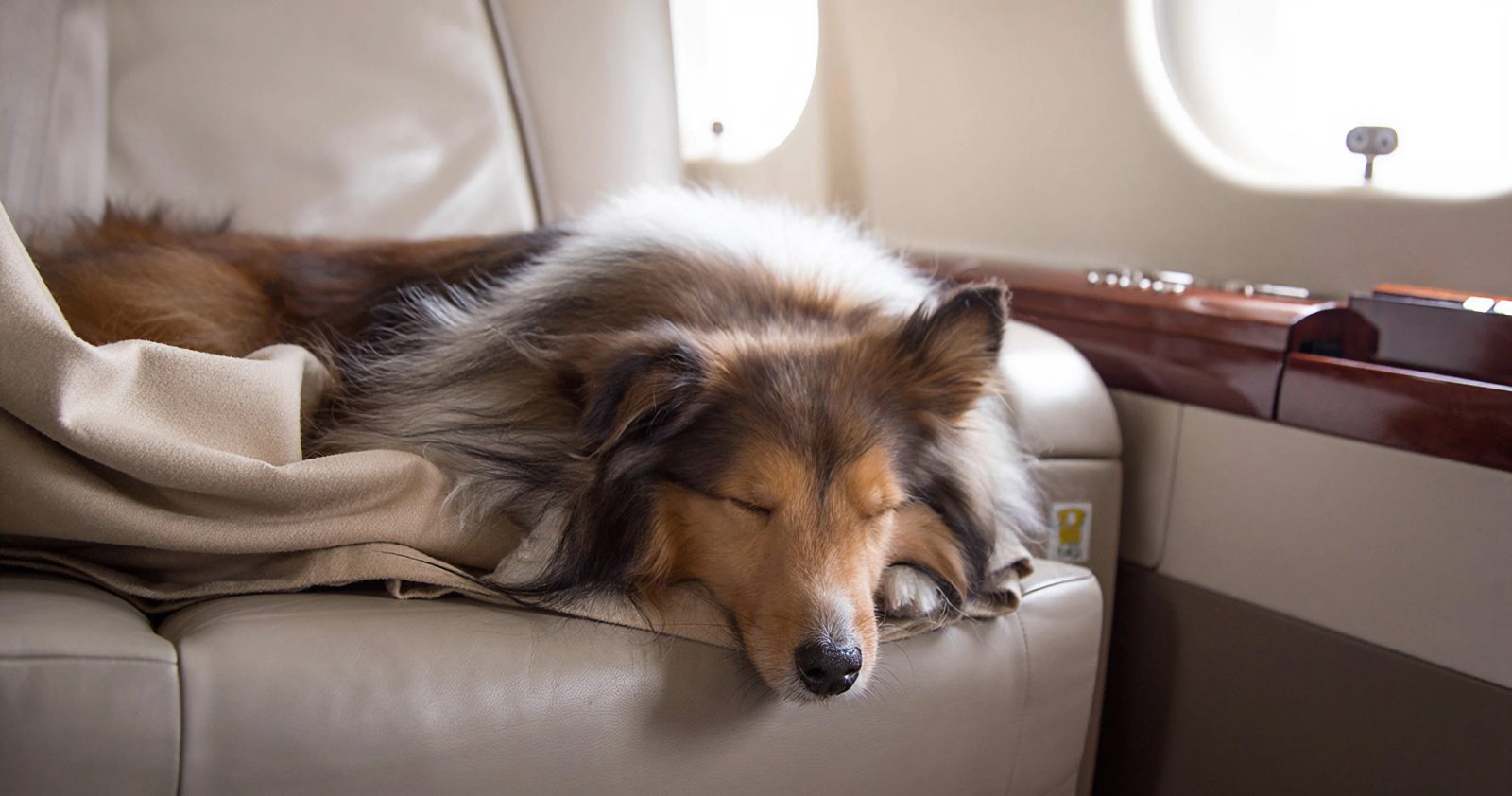
Flying With Dogs and Cats on a Private Jet
Private jets allow dogs and cats to travel in the cabin with you rather than being transported as cargo, subject to the operator's and aircraft owner's policies. Flying private does not remove the applicable pet travel, health or border-entry requirements. Microchip, rabies vaccination, travel documentation and destination-specific entry rules can still apply. Book your pet friendly flight with PVJets.
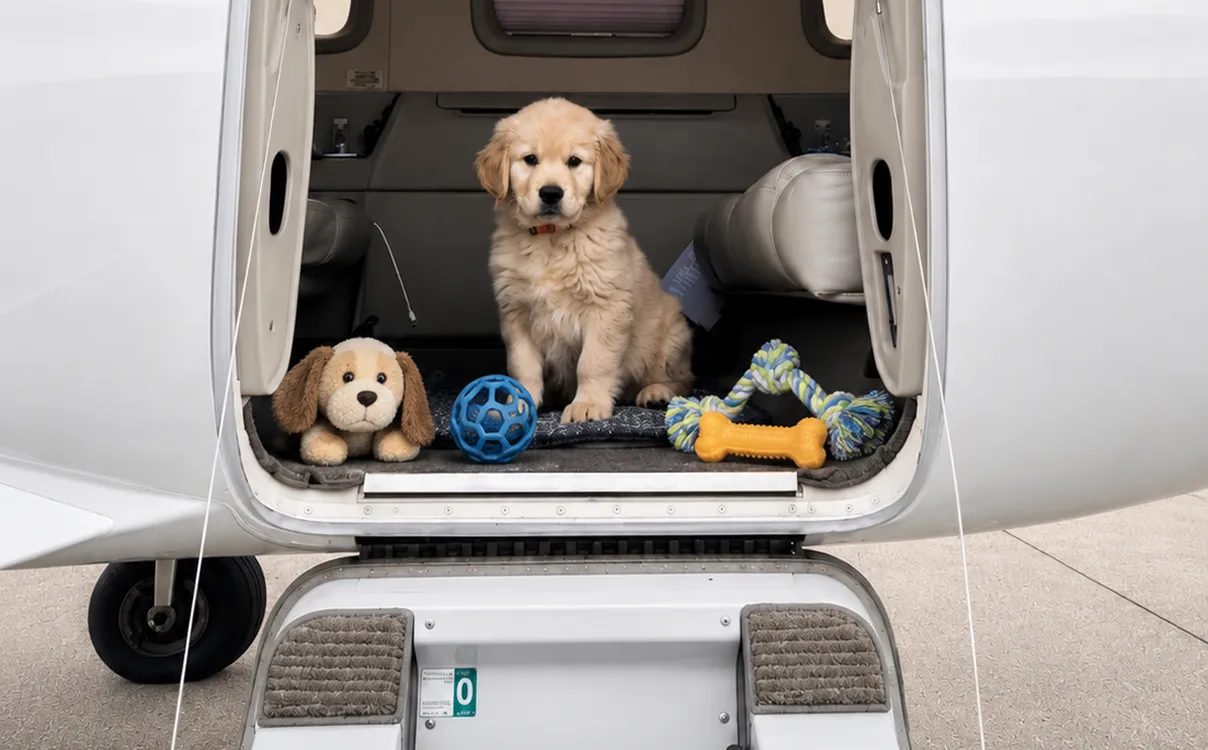
Since 22 April 2026, the EU has operated under a new framework for the non-commercial movement of dogs, cats and ferrets. EU pet passports are intended for pets whose owners have their habitual residence in an EU Member State. Pets entering the EU from a non-EU country will generally require an Animal Health Certificate, although specific exceptions apply, including certain passports issued in listed non-EU countries and pets returning to the EU under qualifying conditions.
- Declare the pet at quote stage Not every operator or aircraft owner accepts animals, and cabin policies vary.
- EU residents An EU pet passport is generally used for travel between EU Member States. For entry from a non-EU country, an Animal Health Certificate is generally required unless an applicable exception applies.
- Non-EU residents travelling into the EU An Animal Health Certificate will generally be required, although certain listed non-EU countries and specific return journeys are subject to different rules.
- Microchip identification Must meet the applicable requirements, and the identification must be in place before the rabies vaccination for the vaccination to be recognised for travel purposes.
- Entry into Great Britain Requires the applicable pet documentation and, in most cases, an approved route and authorised carrier. Chartered private planes are specifically permitted to carry pets in the cabin.
Declare the pet before you book
This is the single most consequential point, and it is not about paperwork. Operators differ on pets, and the decision can rest with the aircraft owner as well as the operator. Some accept animals without restriction. Some impose weight limits, breed restrictions or require a carrier or other restraint for the whole flight. Some do not accept animals at all. If you disclose a pet after the charter is confirmed, the operator may not be able to accommodate the animal on the selected aircraft. You may then need a different aircraft or routing, potentially at short notice and at a higher cost. Tell your private aviation advisor in the first message, along with species, breed, weight and whether it will travel loose or in a carrier. At PVJets, we take these details into account when selecting the right aircraft and coordinating the requirements for your journey. This allows the charter team to consider the aircraft cabin, operator policy and destination requirements before the flight is confirmed.
Our PVJets Passenger
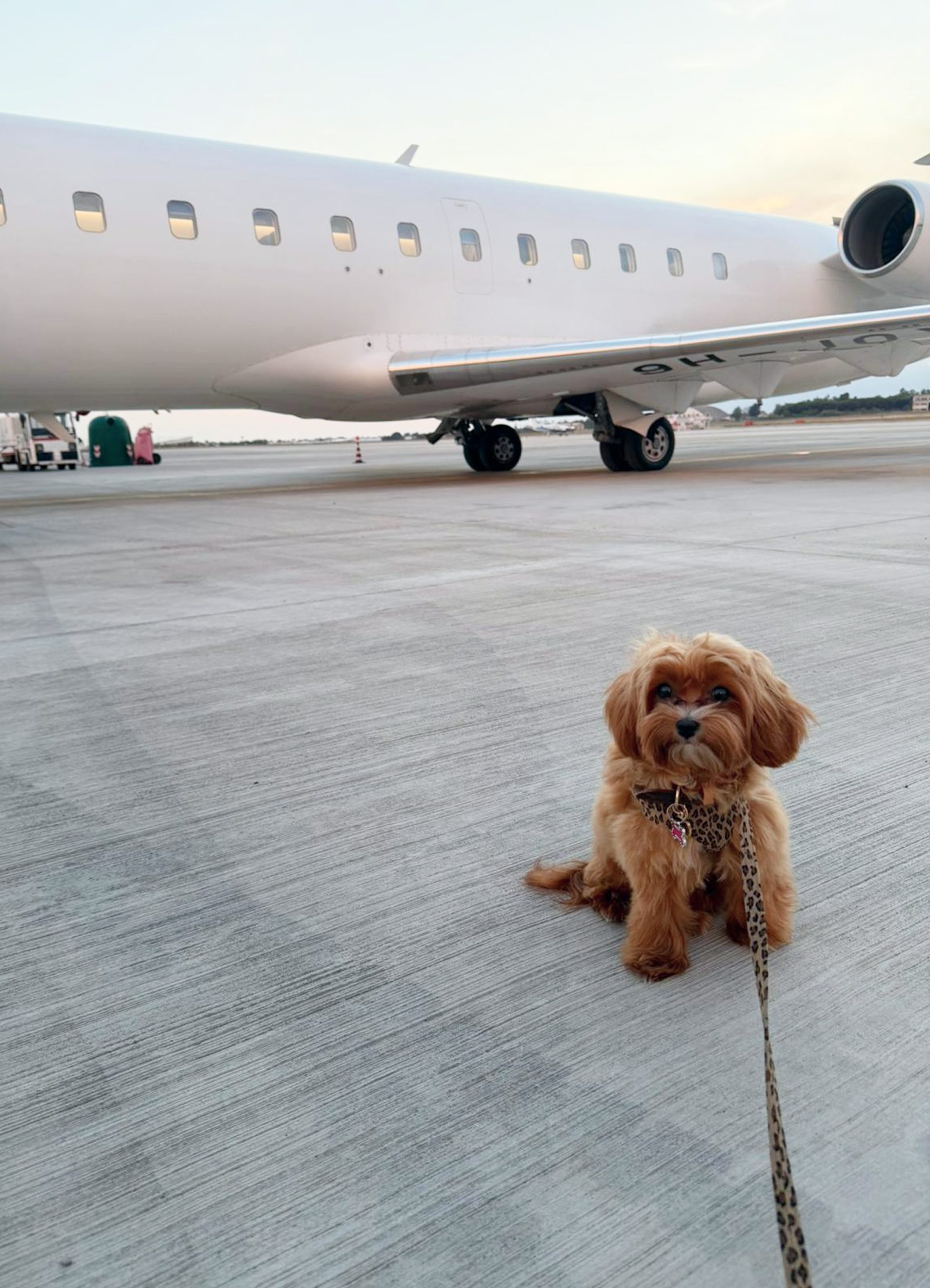
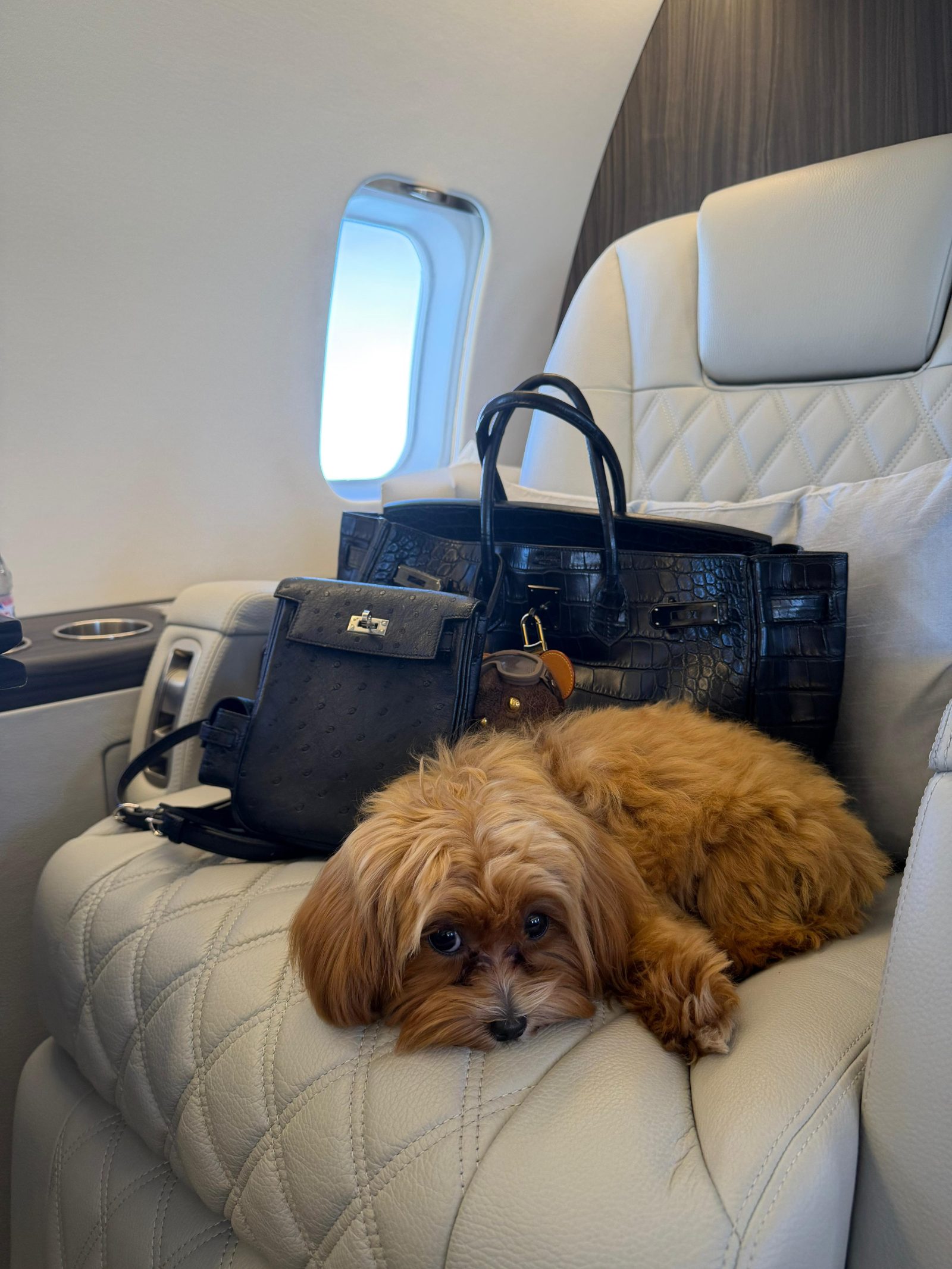
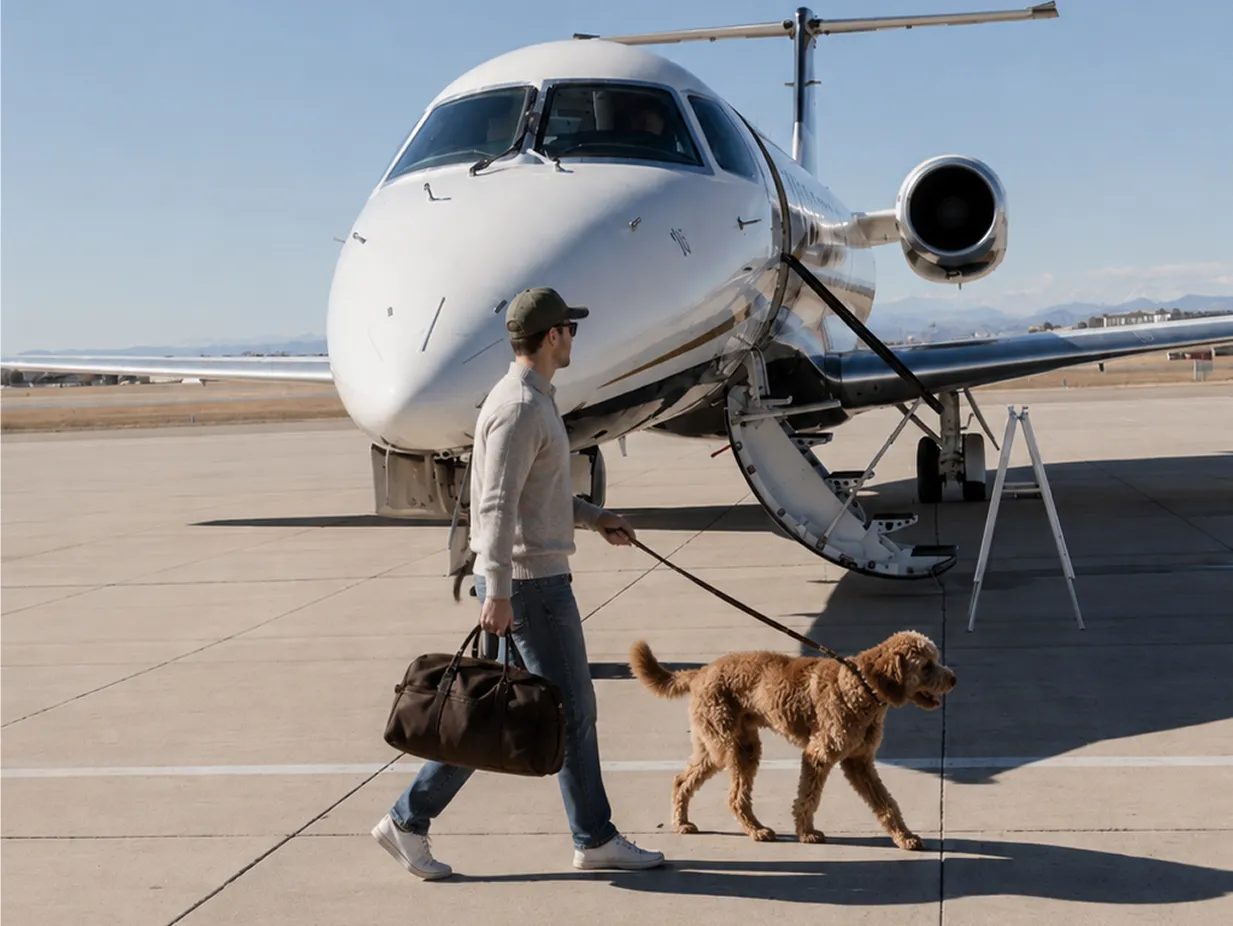
One of our four-legged passengers enjoying the comfort of private jet travel, right in the cabin.
What changed in April 2026?
The EU's new framework for the non-commercial movement of pet dogs, cats and ferrets has applied since 22 April 2026. The new rules clarify that EU pet passports are intended for pets whose owners have their habitual residence and main residence in an EU Member State. They are not generally intended for pets whose owners are resident outside the EU and only stay in the EU temporarily or seasonally. For travel within the EU, pets are generally accompanied by an EU pet passport issued in the Member State where the owner habitually resides. For travel from a non-EU country into the EU, an Animal Health Certificate is generally required. However, this is not an absolute rule. Certain listed non-EU countries can use qualifying pet passports, and pets returning to the EU can in some circumstances travel on an EU pet passport if it demonstrates that the relevant requirements were met before leaving the EU. The new framework also sets out more detailed identification requirements. The microchip or other qualifying identification must establish the pet's identity, and the relevant identification must be in place before the rabies vaccination for that vaccination to be recognised under the applicable rules. For an Animal Health Certificate, the certificate must be completed and endorsed in accordance with the applicable EU requirements. The certificate is generally used for entry into the EU from a non-EU country and must meet the relevant timing requirements before travel. Additional requirements, including rabies antibody testing, can apply depending on the country of departure. Because the rules depend on the country of departure, destination and the pet's travel history, documentation should always be checked for the specific route before the charter is confirmed. European Commission: EU pet travel rules
Baseline requirements
| Requirement | Detail |
|---|---|
| Microchip | Pet must be individually identified with a compliant transponder. The identification must be in place before the relevant rabies vaccination |
| Rabies vaccination | Primary vaccination requirements include minimum age and a waiting period before travel; the exact rules depend on the applicable movement |
| Travel document | EU pet passport for qualifying EU movements, or an Animal Health Certificate for many entries from non-EU countries |
| Rabies antibody test | May be required for pets entering the EU from certain non-EU countries that are not exempt from the titration requirement |
| Tapeworm treatment | Required for dogs entering certain destinations, including Finland, Ireland, Malta and Norway, within the applicable 24–120-hour window |
| Point of entry | Pets entering the EU from certain non-EU countries may need to arrive through a designated travellers' point of entry |
For pets entering the EU from a non-EU country, a designated travellers' point of entry can be required, although exceptions apply for certain listed countries. The relevant airport therefore needs to be checked as part of the route planning process rather than selected solely for convenience. This is particularly relevant to private aviation, where travellers may have more flexibility over their departure and arrival airports than on a commercial itinerary.
Flying into Great Britain
Great Britain is the part many pet owners overlook, and it has its own requirements. For travel to Great Britain (England, Scotland and Wales), pets generally need to use an approved route with an authorised carrier. Approved routes and companies can change, so the current government list should be checked before travel. There is an important distinction for private aviation: GOV.UK specifically states that pets travelling by plane must normally travel as cargo unless they are travelling on a chartered private plane. This means a chartered private aircraft can allow the pet to travel in the cabin, while the applicable UK entry requirements still need to be met. For dogs, a tapeworm treatment is generally required between 24 and 120 hours before arrival in Great Britain. Exceptions apply for direct travel from Finland, Ireland, Malta and Norway. Certain dog types are prohibited or restricted under Great Britain's dangerous-dog legislation. The prohibited types currently include the Pit Bull Terrier, Japanese Tosa, Dogo Argentino, Fila Brasileiro and XL Bully. Whether a dog falls within a prohibited type can depend on its physical characteristics rather than simply its name or pedigree. Because approved routes and carrier arrangements can change, do not rely on an old list of approved operators when planning a private charter. The proposed route and carrier should be checked against the current GOV.UK guidance before the flight is confirmed. GOV.UK: Bringing your pet to Great Britain GOV.UK: Approved routes for pet travel
What the cabin experience is actually like
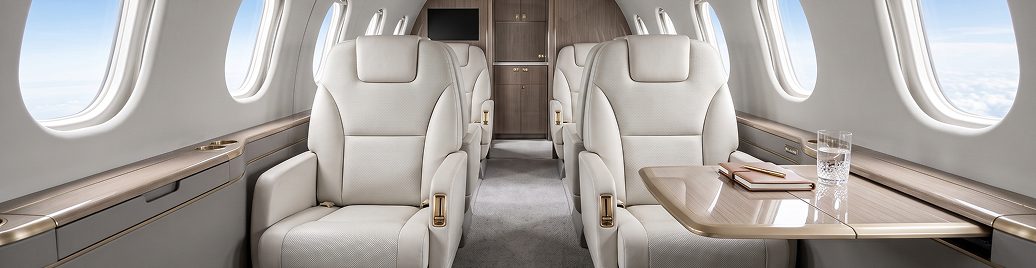
The cabin experience depends on the aircraft, operator and aircraft owner's pet policy. Some private jet operators may allow dogs to move around the cabin once airborne, while others may require a carrier or other restraint throughout the flight. Cats may also be subject to carrier requirements. These are generally operator or aircraft-specific policies rather than universal private aviation regulations. Confirm the cabin policy at quote stage rather than assuming that a pet can travel loose. Practical points that can make the flight easier include exercising the animal before departure, bringing water and a familiar blanket, and checking whether the operator requires a carrier, restraint or other equipment. Some aircraft may also apply a cleaning or pet-related fee. Ask about any additional charges upfront so they can be included in the quote.
Fly Private With Your Pet
Travel comfortably with your dog or cat in the cabin and enjoy a private jet journey tailored around you and your pet.
Request a FlightAircraft selection
Cabin size can matter more than seat count when a pet is travelling. A large dog may need more floor space than a small cabin can comfortably provide, particularly if a carrier or crate is required. Carrier dimensions, cabin layout and access to the aircraft should therefore be considered alongside the number of passengers. For a larger dog on a European sector, a midsize or larger aircraft may provide a more practical cabin environment than some light jets, but the appropriate aircraft depends on the specific model, cabin dimensions and operator's pet policy. Your private aviation advisor can use the pet's size, the number of passengers and the route to identify aircraft that are suitable for the journey.
Frequently asked questions
Can my dog fly in the cabin on a private jet?
Yes. Dogs can travel in the cabin on a chartered private plane, subject to the operator's and aircraft owner's policies. Whether the dog can move freely around the cabin or must remain in a carrier or under restraint depends on the specific aircraft and operator.
Can my cat fly in the cabin on a private jet?
Yes. Cats can travel in the cabin on private jet charters, but carrier and containment requirements vary between operators and aircraft.
Do private jets bypass pet travel rules?
No. Flying privately does not remove applicable microchip, rabies vaccination, health-documentation or border-entry requirements. Private aviation can, however, offer different transport arrangements from commercial aviation, including cabin travel on certain routes and aircraft.
Do I still need an Animal Health Certificate if I fly private?
If you are travelling from a non-EU country into the EU, an Animal Health Certificate will generally be required unless a specific exception applies. The requirements depend on the country of departure, the pet's documentation and travel history, and the destination.
Can I take my dog to Great Britain on a private jet?
Yes. GOV.UK specifically allows pets to travel in the cabin when travelling on a chartered private plane. However, the journey must still comply with Great Britain's pet-entry requirements and generally use an approved route with an authorised carrier.
Does my dog need tapeworm treatment to enter Great Britain?
Generally yes. Dogs entering Great Britain usually need to receive tapeworm treatment between 24 and 120 hours before arrival. Exceptions apply for direct travel from Finland, Ireland, Malta and Norway.
When should I mention my pet?
At the first enquiry, before the aircraft is selected or the charter is confirmed. The operator, aircraft owner, aircraft cabin and destination may all have different requirements.
Is there an extra charge for pets?
Some operators may apply a pet, cleaning or other additional charge. Ask your charter advisor for confirmation before booking so any applicable costs are included in the quote.
Flying with your dog or cat?
Tell your PVJets private aviation advisor your route and dates, along with your pet's species, breed and weight. We will identify suitable aircraft, compare the available charter options and coordinate the journey from initial request through departure. 24/7 Private Aviation Advisor: +39 348 1231435 Email: charter@pvjets.com